Oral Surgery

Bone Grafts

Bone grafting restores lost jawbone density to support dental implants, preserve facial structure, and maintain long-term oral health.
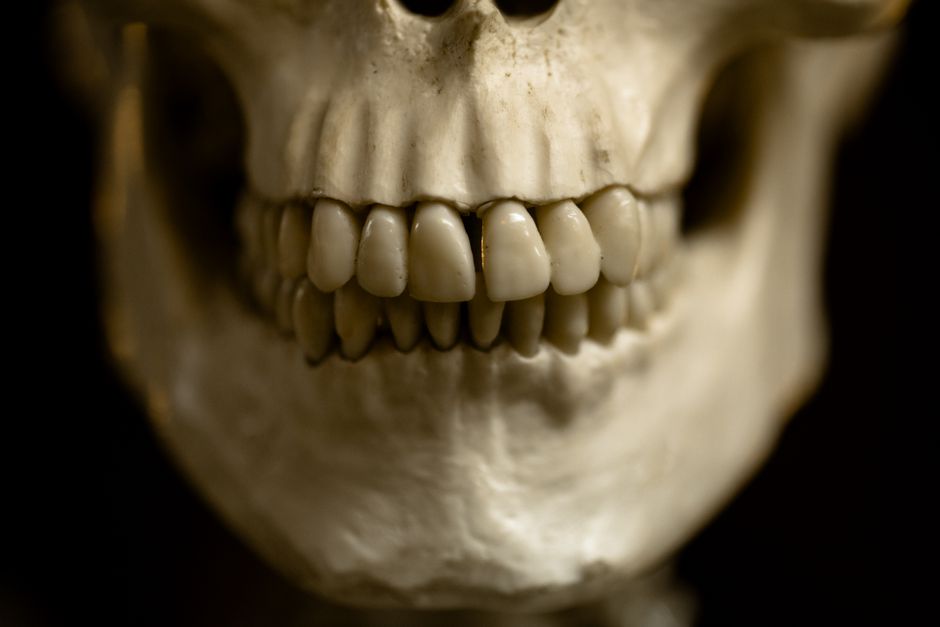
Detailed close-up photo of a human skull focusing on teeth.

What Is a Bone Graft?

A bone graft is a procedure that rebuilds or strengthens the jawbone when it has been lost due to tooth extraction, gum disease, injury, or prolonged tooth loss. The graft material—which may be your own bone, donor bone, or a synthetic substitute—is placed in the area where bone is needed. Over time, your body integrates this material and grows new, healthy bone.

Bone grafting is often a necessary step before placing dental implants, since implants require adequate bone volume and density to stay secure. Even if you're not planning implants right away, a graft can preserve your jaw structure and prevent the bone loss that naturally occurs after losing a tooth.


Why Bone Grafting May Be Needed

When a tooth is lost or extracted, the surrounding bone begins to shrink. Without the stimulation that tooth roots provide, the jawbone gradually resorbs. This can lead to:

  • Difficulty placing dental implants
  • Changes in facial appearance, including a sunken or aged look
  • Shifting of neighboring teeth
  • Weakening of the jaw structure

A bone graft halts this process and creates a stable foundation for future restorations or simply maintains the integrity of your smile.


What to Expect During the Procedure

We begin with a thorough examination and imaging to assess your bone structure and determine the best grafting approach. The procedure itself is performed under local anesthesia, and sedation options are available if you feel anxious.

The graft material is carefully placed in the treatment area, and the site is closed with sutures. Healing typically takes several months as your body integrates the graft and builds new bone. We'll monitor your progress with follow-up visits to ensure everything is healing properly.

Most patients experience only mild discomfort after the procedure, which can be managed with over-the-counter pain relievers and following our post-operative care instructions.


A Foundation for Your Future Smile

Bone grafting is an investment in your long-term oral health. Whether you're preparing for dental implants or preserving your jawbone after tooth loss, this procedure gives you the strong foundation you need for a healthy, confident smile.

How it works
01

Consultation and Imaging

We evaluate your jawbone with X-rays or 3D scans to determine the extent of bone loss and plan your graft.

02

Graft Placement

Under local anesthesia, we place the graft material in the treatment area and secure it for optimal healing.

03

Healing Period

Over the next several months, your body integrates the graft and builds new bone. We monitor your progress at follow-up visits.

04

Ready for Restoration

Once healing is complete, your jawbone is strong enough to support dental implants or other restorations.

Common questions
Does a bone graft hurt?+

The procedure is performed under local anesthesia, so you won't feel pain during treatment. Afterward, most patients experience mild soreness that can be managed with over-the-counter pain relievers and ice packs.

How long does it take for a bone graft to heal?+

Healing typically takes three to six months, depending on the size and location of the graft. During this time, your body is building new bone that will support your future restoration.

What type of graft material will be used?+

We may use bone from your own body, donor bone that has been carefully processed and sterilized, or a synthetic bone substitute. We'll discuss the best option for your situation during your consultation.

Get in touch — Egg Harbor Township, NJ

Ready when you are — let's get you smiling.

New patients are always welcome. Give us a call, and we'll find a time that fits — gentle care, honest answers, no pressure.

  • No-pressure, unhurried first visit
  • We file your insurance for you
Call (609) 645-1900Contact us