Pediatric

Pulpotomy

A gentle procedure to save baby teeth by removing infected pulp tissue while preserving the tooth's healthy structure and function.
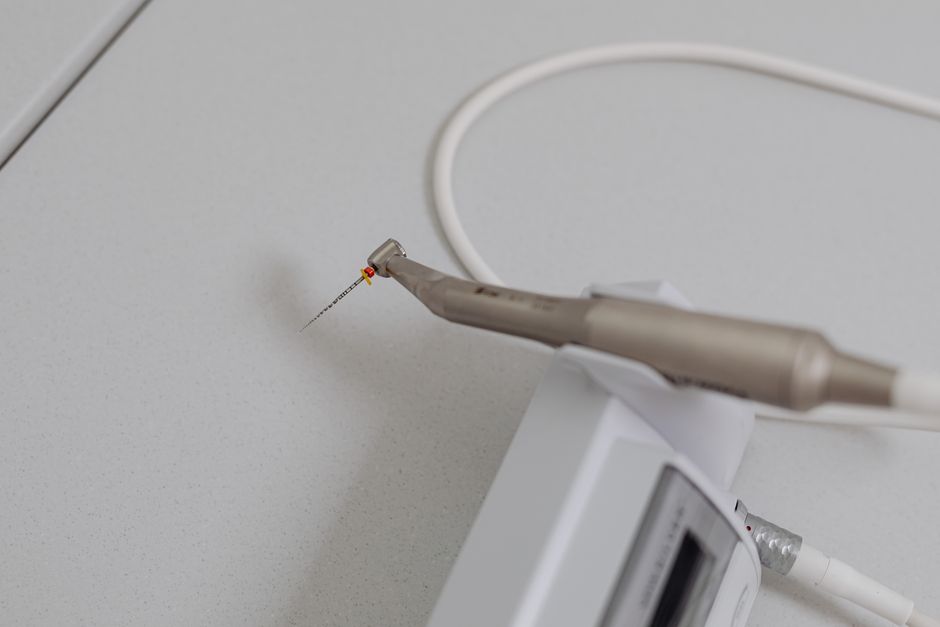
Detailed view of a dental instrument used in dentistry, showcasing precise technology.

What Is a Pulpotomy?

A pulpotomy is a common dental procedure that saves a baby tooth when decay or injury has reached the pulp — the soft tissue inside the tooth containing nerves and blood vessels. Think of it as a gentler version of a root canal, designed specifically for primary (baby) teeth.

During the procedure, we remove only the infected or inflamed pulp from the crown portion of the tooth, leaving the healthy pulp in the roots intact. This allows the tooth to remain in place until it naturally falls out on its own schedule.

Why Baby Teeth Matter

Many parents wonder if treating a baby tooth is worth it when it will eventually fall out anyway. The answer is yes. Baby teeth hold space for permanent teeth, help your child chew properly, and support normal speech development. Losing a baby tooth too early can lead to crowding and alignment issues later.


When a Pulpotomy Is Needed

We may recommend a pulpotomy when:

  • Deep decay has reached the pulp but hasn't spread to the roots
  • Trauma or injury has exposed the pulp tissue
  • Pain or sensitivity indicates pulp inflammation
  • The tooth has several years before it naturally falls out

The goal is always to preserve the natural tooth whenever possible, avoiding the need for a space maintainer or other interventions.


What to Expect

We make the experience as comfortable as possible for your child. After numbing the area, we gently remove the affected pulp tissue, clean and disinfect the chamber, and seal it with a medicated material. The tooth is then restored with a crown to protect it and restore full function.

Most children experience immediate relief from any pain or discomfort they had before the procedure. Recovery is typically quick, and your child can return to normal activities the same day.

How it works
01

Examination and X-rays

We assess the extent of decay or damage and confirm that a pulpotomy is the right treatment for your child.

02

Gentle Numbing

We apply local anesthesia to ensure your child feels no discomfort during the procedure.

03

Pulp Removal and Cleaning

We carefully remove the infected pulp tissue from the crown portion and clean the chamber thoroughly.

04

Medication and Sealing

A medicated material is placed to promote healing and prevent further infection.

05

Crown Placement

We restore the tooth with a protective crown to ensure it functions normally until it naturally falls out.

Common questions
Will my child feel pain during the procedure?+

No. We use local anesthesia to numb the area completely, and most children feel no discomfort during the pulpotomy. Many parents report their child feels much better afterward because the infection and pain are gone.

How long does a pulpotomy take?+

The procedure typically takes 30 to 45 minutes, depending on the tooth. We work efficiently while keeping your child comfortable and calm throughout.

Is a pulpotomy the same as a root canal?+

A pulpotomy is similar but less extensive. We only remove pulp from the crown portion of the tooth, leaving healthy pulp in the roots. It's specifically designed for baby teeth and is gentler than a full root canal.

Get in touch — Egg Harbor Township, NJ

Ready when you are — let's get you smiling.

New patients are always welcome. Give us a call, and we'll find a time that fits — gentle care, honest answers, no pressure.

  • No-pressure, unhurried first visit
  • We file your insurance for you
Call (609) 645-1900Contact us