Pediatric

Space Maintainers

Custom appliances that hold space for permanent teeth when a baby tooth is lost early, preventing crowding and alignment issues.

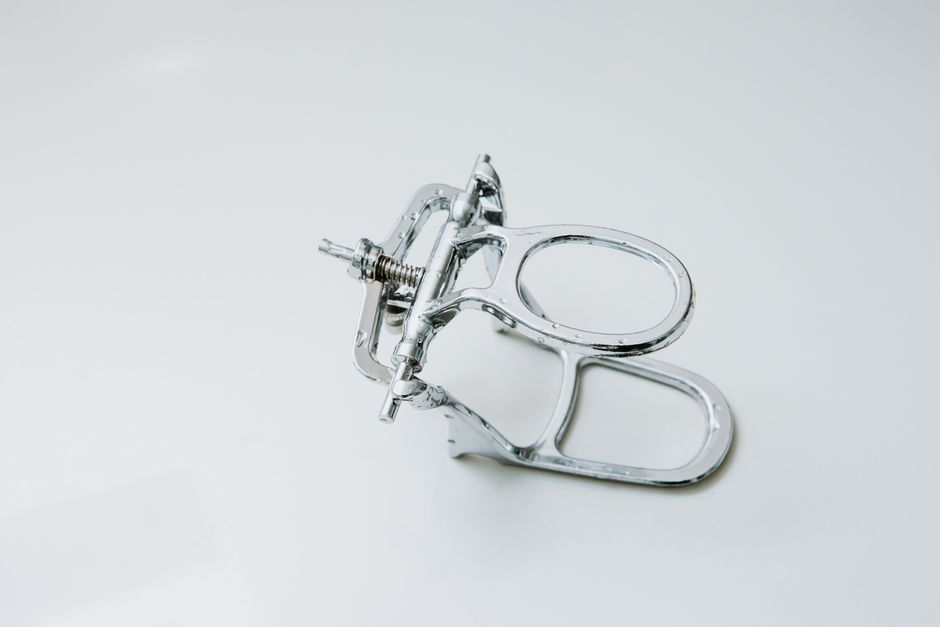
From above of metal dental occluder used for creating denture placed on white background

When a child loses a baby tooth too early—whether from decay, injury, or extraction—the surrounding teeth can shift into the empty space. This can block the permanent tooth from coming in properly and lead to crowding, misalignment, and the need for more extensive orthodontic treatment later.

A space maintainer is a custom-made appliance that holds the gap open until the permanent tooth is ready to erupt. It's a simple, effective way to protect your child's smile and avoid bigger problems down the road.

At Atlantic Smiles, we create comfortable, durable space maintainers tailored to your child's mouth. We'll explain everything in a way that makes sense—and help your child feel at ease throughout the process.

Why Space Maintainers Matter

Baby teeth do more than help kids chew and speak. They also guide permanent teeth into the right position. When a baby tooth is lost prematurely, that guidance is gone—and nearby teeth can drift, tilt, or rotate into the open space.

Space maintainers prevent this shifting. They're especially important for back teeth (molars), which play a key role in jaw development and bite alignment.

Types of Space Maintainers

We'll recommend the best type based on which tooth was lost and your child's needs:

  • Band-and-loop maintainers are the most common, using a metal band around one tooth and a wire loop to hold the space.
  • Lingual arch maintainers are used when multiple teeth are missing on one side of the lower jaw.
  • Distal shoe maintainers are placed when a second baby molar is lost before the first permanent molar has erupted.

Most space maintainers are fixed (cemented in place), so there's nothing for your child to remember to wear or lose. Removable options are available in certain cases.

Caring for a Space Maintainer

Space maintainers are low-maintenance, but a few simple habits will keep them working well:

  • Brush around the appliance carefully, just like the rest of the teeth.
  • Avoid sticky or hard foods that could bend or dislodge the wire.
  • Come in for regular checkups so we can monitor the space and the eruption of the permanent tooth.

When the permanent tooth is ready to come in, we'll remove the space maintainer—it's quick and painless.

How it works
01

Evaluation

We examine your child's mouth, take X-rays if needed, and determine whether a space maintainer is necessary and which type is best.

02

Impressions & Fabrication

We take a quick impression of your child's teeth so the lab can create a custom-fitted appliance.

03

Placement

Once the space maintainer is ready, we gently cement it in place. The process is comfortable and takes just a few minutes.

04

Monitoring

At regular checkups, we'll make sure the appliance is working well and watch for the permanent tooth to erupt. When it's time, we'll remove the maintainer.

Common questions
Will a space maintainer hurt my child?+

No. Placement is gentle and painless. Your child may notice the appliance for a day or two, but most kids adjust quickly and forget it's even there.

How long will my child need to wear it?+

It depends on when the permanent tooth is ready to come in—usually several months to a couple of years. We'll monitor progress at each visit.

What if my child's space maintainer comes loose?+

Call us right away. A loose or broken space maintainer should be checked as soon as possible to prevent teeth from shifting. We'll get your child in quickly to repair or replace it.

Get in touchEgg Harbor Township, NJ

Ready when you are — let's get you smiling.

New patients are always welcome. Give us a call, and we'll find a time that fits — gentle care, honest answers, no pressure.

  • No-pressure, unhurried first visit
  • We file your insurance for you
  • Easy online booking, day or night
Call (609) 645-1900Contact us